Apocalyptic/Futuristic

Review of The Returning by Rachelle Dekker

Standard

Genre: Futuristic/Supernatural Christian Fiction/Sci-Fi

Series: A Seer Novel, Book 3

Not Recommended.
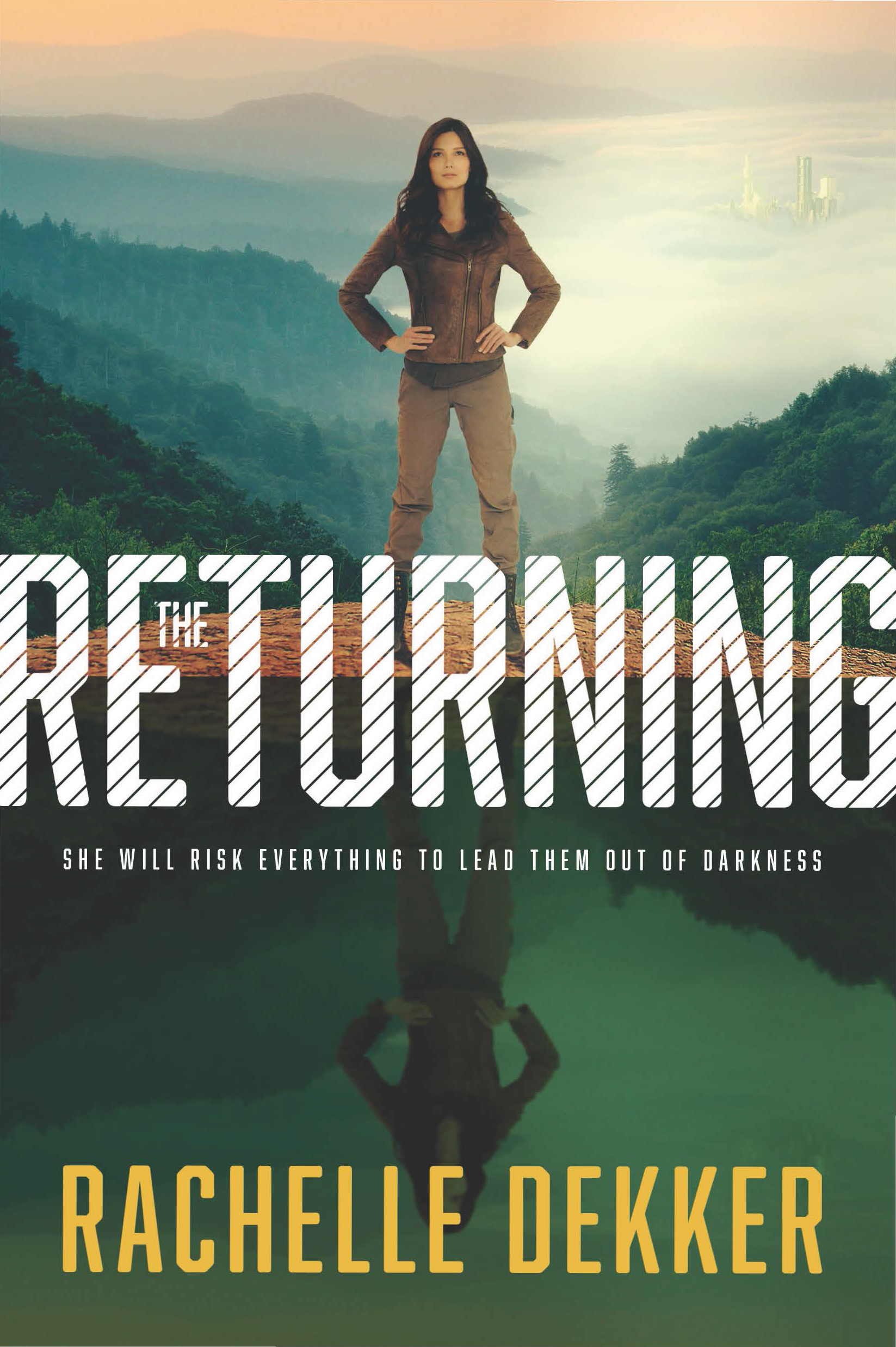
978-1-4964-0229-5Two decades have passed since the Seers fled the Authority City, with Remko and Carrington forced to leave their baby girl Elise behind. Now the Authority City is under the manufactured “peace” of a vaccine inhibiting memories and causing robotic submission to the authorities; yet Elise is immune, and is beginning to wake up to her identity as a Seer, as a supernatural shift is set in motion, with both sides gearing up for their inevitable confrontation.

I enjoyed the first two books of the series: The Choosing, and The Calling, even though I had a slight theological concern with each of them. In this final installment, the spiritual/theological aspect is much more prominent. I really like the theme of identity as a child of the Father’s, and how the inner struggle of light and darkness is portrayed. I also like the Seer’s process of learning to work together, and embracing their various supernatural gifts.

However, there is a stronger spiritual theme of finding one’s light within oneself that is not at all biblical, regardless of how many churches may embrace this form of religious syncretism. The Bible teaches that since sin was introduced into the world, humanity is born into sin, and then reborn in Jesus’ death and resurrection. Jesus came to save the whole world; but we must receive his salvation in order to have the Holy Spirit inside of us. When an unbeliever looks into himself he will not find God, but must choose to receive God’s calling, and die to himself.

Dekker’s characters are entirely focused on the light within themselves, and in all things, as the source of their identity and power. As a result, when the characters suffer, they go within themselves and are entirely self focused in a transcendent chat of beliefs (in line with Eastern religions, New Age, or modern psychology despite the “Christianese” language) rather than suffering in the example of the Christian Apostles (or Jewish Patriarchs) by looking to God and sanctifying His name in the midst of affliction. Dekker’s spiritual metaphor is clear as she constantly quotes Scripture (often out of context). I cannot advocate this harmful theology, despite some of the other positive spiritual motifs.

I also felt that the story itself was not as strong as it could have been. While there were moments of internal and/or spiritual struggle, the intensity of the suffering and conflicts were too shallow and unrealistic, the characters too often had overly simplified solutions to every problem, and the novel overall felt predictable, shallow, and preachy (of its poor theology).

I received a complimentary copy of this book from Tyndale House Publishers.
Review of The Alliance by Jolina Petersheim

Standard

Genre: Apocalyptic/Mennonite/Romance

Not Recommended.

TheAllianceA pacifist Mennonite community agrees to take in stranded “Englischers” after an EMP attack; and together the community must find a way to survive the aftermath, while confronting their personal values and physical needs. Heroine, Leora Ebersole is caught in a love triangle between the Mennonite “boy-next-door” who has always loved her, and the attractive pilot who crashed his plane in her backyard during the EMP attack.
This reads like young adult fiction, both in writing style and depth of content. The story raises interesting questions as to keeping one’s faith and moral values in the event of mass chaos and destruction, as well as illustrating our contemporary dependence on EMP (electromagnetic pulse). Some parts of it are interesting, and I read it through to the end without too much inner complaint.

So much more could have been done with this plot structure. I enjoyed the unique merging of two cultures, but the narrative did not carry the substance or depth of the apocalyptic storyline. Suspense was lacking. It was predictable. And I disliked the shallow romance, which should have been a side story, rather than the main event.

I received a complimentary copy of this book from Tyndale.


Review of The Calling by Rachelle Dekker

Standard

Genre: Futuristic/Dystopian/Suspense

Series: A Seer Novel, Book 2

Recommended.

978-1-4964-0227-1The dystopian setting of the Authority City continues in this sequel to The Choosing with an increasingly dangerous regiment of experimental vaccinations to control the people, and a plan to find and exterminate the rebel camp of the Seers, lead by Remko Brant. Against high stakes and multiple disappointments, Remko struggles to work through his anger and fear in order to realize his identity, and discover his calling.
I enjoyed the first book in this series, and was glad to resume the story with this one, which I found better than the first. It reads as popular teen fiction, with relatable characters, a good amount of suspense, and lots of action in the second half (the beginning was interesting enough to keep me reading, but slower paced). The end was particularly good, and left me wanting to read the final book of the series!

I especially liked the juxtaposition of the corrupt society’s initiatives to control and manipulate the people, compared with the spiritual teaching of the rebels to surrender to God by finding their identity in Him. The spiritual metaphor, on this note, is very positive, although theologically it is a bit shallow. I had a small issue with this in the first book as well, in that the story presents a partial truth in its portrayal of salvation—presenting salvation as something that one simply realizes as one’s identity, rather than the biblical process of dying to oneself through repentance, in order to be exalted as a new creation through Christ (a transformation into salvation, rather than an epiphany that no transformation is needed because one has already been made perfect). This is an important difference to me, and one I would emphasize to my kids before letting them read this. But from a story perspective, it is very good. And the process of surrendering one’s fears is also strongly presented.

I received a complimentary copy of this book from Tyndale House Publishers.

Review of The Choosing by Rachelle Dekker

Standard

Genre: Futuristic/Dystopian

Series: A Seer Novel, Book 1

Recommended.

The Choosing is set in a futuristic, dystopian society where a perverse version of legalistic “Christianity” dictates the land, and each member has a life-long role and function in the community. For young women, like heroine Carrington Hale, the highest goal is to be “Chosen” in marriage; and to fail to catch the attention and be chosen by a mate points to the utmost personal failure and a lifetime serving as a “Lint” (social outcast and blue collar laborer). Carrington’s failure is especially surprising, and leads her into a journey of personal discovery as she encounters rebels to the state faith, then finds herself in one unexpected position after another.

I love this genre, and the faith and identity issues that the characters and narrative address. The theme of finding God’s love is at the heart of the story, and I cannot think of any subject more important or more difficult to express.

Considering that this is Rachelle Dekker’s debut novel, I think it came together very well. I did find the plot a bit predictable, and would have liked more development of the characters. The “seer” aspect of the book was also very subtly introduced, but intrigues me. Since this is the name of series, I look forward to seeing how that unfolds in the coming novel(s).

My final criticism is that the alternative “rebellious” spiritual movement seems a little “New Agey” to me—riding the line between truth and the possibility of being misinterpreted as the characters emphasized the truth within themselves without a strong focus on God’s part in the redemptive process. Nevertheless I was caught up in the writing, and enjoyed the unfolding of Carrington’s self-reflection in recognizing who she is, and that her identity is not tied to what she does, rather who she is according to her Father God. This is a message we all need; and, I think, would be especially powerful for teens.

I received a complimentary copy of this book from Tyndale House Publishers.

Review of The First Principle by Marissa Shrock

Standard

Genre: YA Fiction/Futuristic

Recommended.

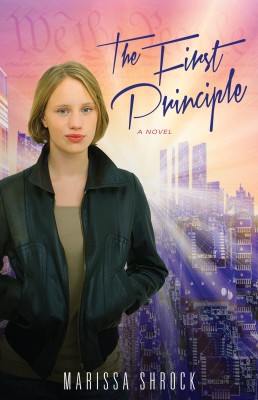
FirstPrinciple-258x400Vivica Wilkins is the sixteen-year-old daughter of a prominent governor, and presidential candidate, in the futuristic “United Regions of North America” where government control is out of hand (but not unrealistic). The population is controlled through pregnancy-preventing vaccinations, so that only women within a particular age range are propagating, with a high tax on families with more than two children.

Vivica is a hacker (mostly using her skills to change the grades of other students), but she otherwise is okay with the “system”—that is, until she discovers she is illegally pregnant, and is no longer sure she is comfortable with the mandatory abortion. The baby’s father is a repentant Christian, working with an underground group of “Emancipation Warriors”.

I love how this book deals directly with Christian issues and political scenarios within the futuristic, government controlled setting that is so popular amongst teen literature. The faith element is not subtle. The characters talk and question God and faith in a way that is great for young readers. And despite dealing with the difficult topics of abortion and teen sex, there is not a sexual or even emotionally-romantic vibe to the story, which I really appreciated as it kept the emphasis on the more important issues of politics and faith. There is a little bit of purposefully placed violence as the story moves rapidly in an exciting action-oriented mystery and chase.

This would be enjoyable for teens or adults because of the thought-provoking themes and action packed plot. Adult readers could finish this in a day or two. I also think it could be a great resource for parents and teens to discuss some of these issues together.

I received a complimentary copy of this book from Kregel Publications.

Review of Damascus Countdown by Joel C. Rosenberg

Standard

Genre: Apocalyptic Fiction/Action & Adventure/Suspense

Series: Book Three of the Twelfth Imam Series

Recommended.

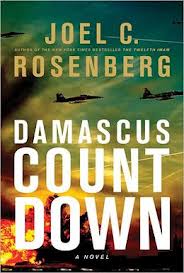
Damascus Countdown is the third and final book of the excellent Twelfth Imam Series, which focuses on the eschatological elements of the current situation in the Middle East with many believable creative liberties. This is a series to read in order as the storyline and spiritual message is heightened in each new book, creating suspense and action from a Christian perspective. The Twelfth Imam introduces the coming of the Islamic Mahdi, the major characters (including the story’s hero: undercover CIA operative David Shirazi), and the spiritual and physical conflicts. The character development and political situations deepen throughout The Tehran Initiative. Finally, the Damascus Countdown brings the trilogy to an end with catastrophic military developments, the search for two missing Iranian nuclear warheads, and the finale of each of the smaller character dramas.

Rosenberg’s writing is realistic, suspenseful, action-packed, and brings the current new’s headlines to life. There is also a bit of romance, which adds scope to the characters and balances the action-oriented plot. Also, the narrative is both apocalyptic and contemporary, making it especially riveting.

The ending was not what I would have expected, but—without giving away any details—I do think it worked well within the circumstances of the text. Christian eschatological fiction is difficult to write well since there are so many variables, differing opinions, and unknowns. Considering this, Rosenberg did an excellent job of weaving together believable yet intense situations without bringing in too much controversy. The prophetic scriptures mentioned within the narrative are also appropriately and insightfully utilized.

Those who do not believe that Israel is the focal point of God’s eschatological plan and covenant relationship, and those who do not believe that the Middle Eastern conflict has a spiritual root, will not care for this fictitious series. The Christian worldview and gospel message are direct, but well contextualized within the story. As a Messianic believer myself, I appreciate and relate to the major characters’ expressions of faith. The trilogy as a whole gave me a lot to consider in regard to Muslim/Christian/Jewish relations; and this final book especially was quite encouraging and invigorating to read.

I received a complimentary copy of this book through the Tyndale Blog Network.

Review of Sneak by Evan Angler

Standard

Genre: Juvenile Fiction/Action & Adventure/Apocalyptic

Series: Book Two of the Swipe Series

Recommended!

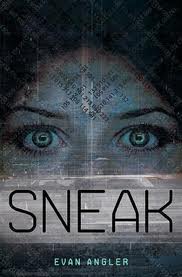
This is the second book in the Swipe Series, which is loosely based on a “mark of the beast” end time scenario set just a few generations into the future. Logan Langly has escaped getting the Mark and is on the run—searching for the prison where his sister is being held after disappearing five years earlier. The world Angler presents is both futuristic and believable, which captivated me from the beginning and held my attention through the end.

There is very little direct mention of Christianity and Christian themes, but the story line encourages readers to consider related issues like the price of freedom and the importance of teamwork and unity when fighting for a cause. The fictitious events also creatively parallel the real events of Christian eschatology: the formation of the one world government, the facade of world peace, and, of course, the mark of the beast.

Angler’s writing is beautifully simple yet suspenseful, action-oriented, and deeply thought provoking—all while staying within the age-appropriate boundaries of juvenile fiction. I especially appreciate that it touches on such important and serious themes without the use of profane or disturbing imagery. I haven’t had the chance to read the first book in the series (and probably won’t since this one stood so well on its own), but I’ll be looking forward to the future Swipe Series additions and more from Evan Angler.

I received a complimentary copy of this book through Thomas Nelson.

Review of The Tehran Initiative by Joel C. Rosenberg

Standard

Genre: Apocalyptic Fiction/Action & Adventure

Series: Book Two of the Twelfth Imam Series

Recommended.

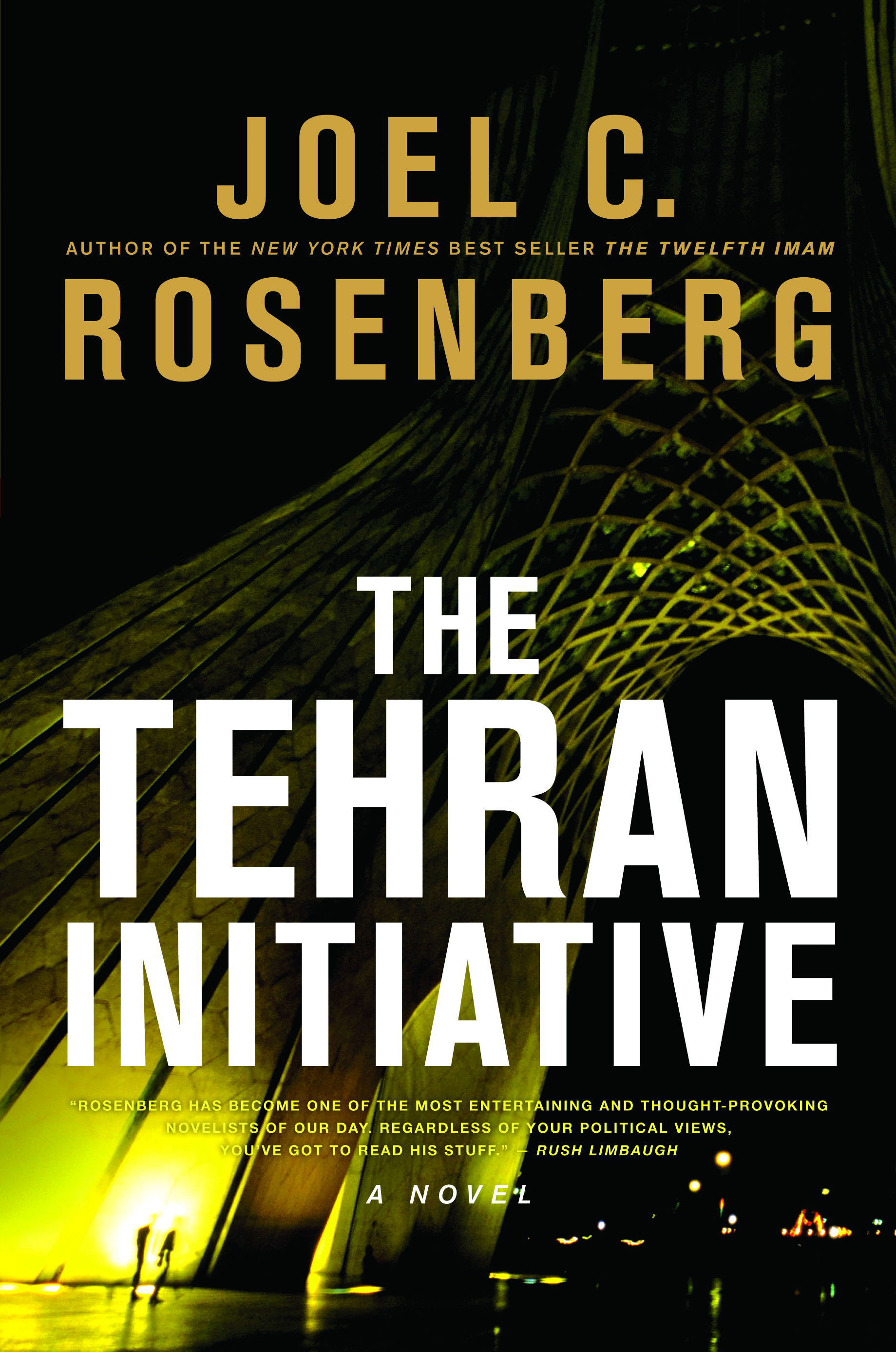
I love eschatology and the Middle East, so this fictitious rendition of end time events was especially fun for me to read. The Tehran Initiative is the second in a series of three (I recommend reading them in order as The Twelfth Imam really sets up the story and characters).

The story begins as the Twelfth Imam (the Islamic Messiah) is coming into power and setting up his caliphate, and each nation must decide how to respond. Meanwhile, CIA agent David Shirazi, is working undercover in Iran to find Iran’s nuclear warheads so they can be destroyed before the next Holocaust begins.

The Tehran Initiative has more Christianity, more romance, and an even stronger emphasis on world politics than the first book. It keeps the momentum from The Twelfth Imam, but feels slower because it focuses on character development and introspection more than physical action and suspense (but don’t worry: it is still plenty suspenseful!). Although I enjoyed reading it just as much or more than the first book, it may not be as enticing to non-Christians or those expecting intense action plots. There is also a lot of supernatural action and emphasis, which I personally love (and experience) but which may also be a turn off for some readers.

For those who enjoy thinking about the end times, the political conflicts in the Middle East, or how Christian and Muslim eschatology fit together, I’d highly recommend this series. I love how Rosenberg realistically develops and captures one possible end time scenario, while staying true to scripture, and giving his audience so much (politically, spiritually, introspectively) to consider. I was personally encouraged and strengthened in my faith to go on this adventure with the characters. I look forward to the final book in the series: The Damascus Countdown, to be released in fall of 2012.

For more on this book and the author, check out Joel Rosenberg’s blog and the Joshua Fund, which was founded by him and his wife to “mobilize Christians and bless Israel and her neighbors in the name of Jesus”. I’d also encourage you to watch this short video of the author introducing the book:

I received a complimentary copy of this book through the Tyndale Blog Network.

Review of The Twelfth Imam by Joel C. Rosenberg

Standard

Genre: Apocalyptic Fiction

Series: Book One of the Twelfth Imam Series

Recommended: A riveting story of high stakes and affronted faiths.

I thoroughly enjoyed reading The Twelfth Imam, the story of an Iranian born CIA agent working to find and disrupt the secret Iranian nuclear weapons program in the midst of catastrophic global events, personal tragedies, and the questioning of his personal faith as a non-practicing Shia Muslim.

Although it is very much a work of fiction, the style of the writing and the sincerity of the characters make the story appear as a glimpse into an apocalyptic reality.  I especially appreciated the depth of the character’s faiths (it’s not often that a Christian writer would show those of other faiths to have so genuine a passion for their beliefs) and the appearance of the supernatural realm alongside the physical.

Being a Christian work, I found it interesting that the book does not have any “Christian” characters—that is, some characters come to know Jesus Christ as Lord, and faith is at the forefront, but there were no evangelical Christians going around making converts, and I found this somehow refreshing (and more believable).

From a theological perspective, I found this scenario much less dramatic than the prophetic illustration of the last days—not that the stakes weren’t high, or that the plot wasn’t exhilarating, but that it only portrayed a small piece of the prophetic story and even then, only as one possible outcome (of course, there’s nothing wrong with that, so long as readers read fiction as fiction and the Bible as the authority on biblical mysteries).

My only complaint is that the ending was surprisingly abrupt—I considered that perhaps part of it was missing before discovering that this book is the first in Rosenberg’s newest series.  Even so, the book ending felt incomplete (not mysteriously, romantically or suspensefully incomplete, but like the story was chopped off mid-sentence); and since it was so enjoyable to read, this was especially disappointing.

I received a complimentary Advance Reader Copy of this book as a part of the Tyndale Blog Network.